
25 12月
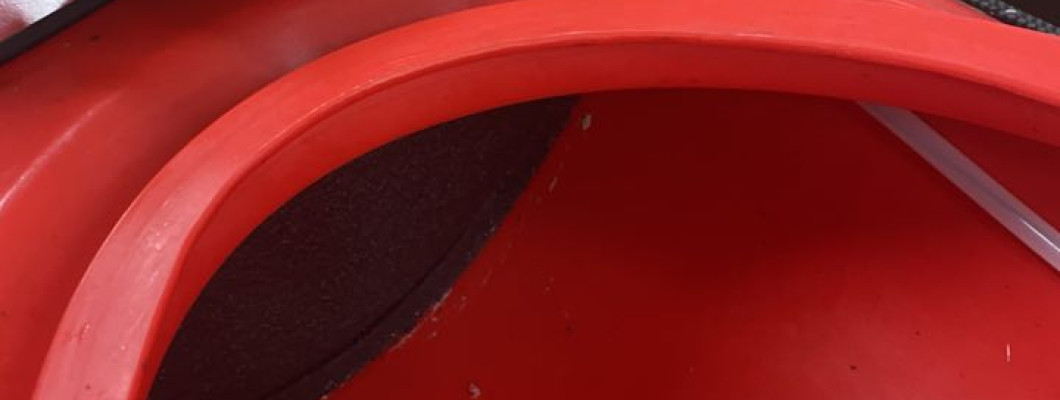
上週在澎湖基地,我處理了幾條協會的老船,隔艙幾乎全數脫落。清理乾淨後,用丁基橡膠條塞入艙壁與船殼間縫隙,再拿去曬太陽,讓橡膠軟化後牢牢黏附,效果出奇地好。
獨木舟的前後封閉艙,原本是設計用來維持浮力、確保安全。但隨著時間推移,高溫、船體受力與結構膠老化,往往會導致艙壁脫落、滲水,這是很多船主的共同困擾。
過去我試過各種結構膠補強,但效果都不理想,直到改變思路,改用 丁基橡膠 塞邊,問題才真正解決,那是一種條狀,有彈性,有黏性的材料,會維持在隔艙縫隙中,形變也不會脫落。
材料與施工方式
• 材料來源:丁基橡膠條,可在大型汽車材料行購得。
• 施工技巧:
1. 先把縫隙清理乾淨。
2. 在橡膠表面噴些肥皂水,降低黏性。
3. 塞入艙壁與船殼縫隙。
4. 再用清水沖乾淨。
5. 放到太陽下曬,讓橡膠軟化並緊密貼合。
這個方法我已經驗證三年,非常耐久可靠。如果你的隔艙開始滲水,不妨試試看。
Solution for Leaking Bulkheads in Kayaks
The sealed front and rear bulkheads of a kayak are designed to maintain buoyancy and ensure safety. However, as time passes, exposure to high temperatures, hull stress, and the aging of structural adhesives often cause the bulkheads to detach and leak—something many paddlers face.
In the past, I tried different structural adhesives for reinforcement, but none worked well. The problem was only truly solved when I changed my approach and used butyl rubber to seal the edges. This material comes in strips—elastic, sticky, and able to stay in the gaps between the bulkhead and the hull without falling out, even when it deforms.
Last week at the Penghu base, I worked on several old association kayaks whose bulkheads had almost completely detached. After cleaning them thoroughly, I pressed butyl rubber strips into the gaps between the bulkheads and the hull, then left the kayaks under the sun. As the rubber softened and bonded firmly, the results turned out remarkably good.
Materials and Method
• Material source: Butyl rubber strips, available at large automotive supply stores.
• Application steps:
1. Clean the gaps thoroughly.
2. Spray some soapy water on the rubber surface to reduce stickiness.
3. Insert the rubber into the gaps between the bulkhead and hull.
4. Rinse with clean water.
5. Leave under the sun to soften the rubber and allow it to bond tightly.
I have tested this method for three years now, and it has proven to be highly durable and reliable. If your bulkhead starts leaking, it’s definitely worth a try.
發表評論